DEC 25 | He Moved Into the Neighborhood
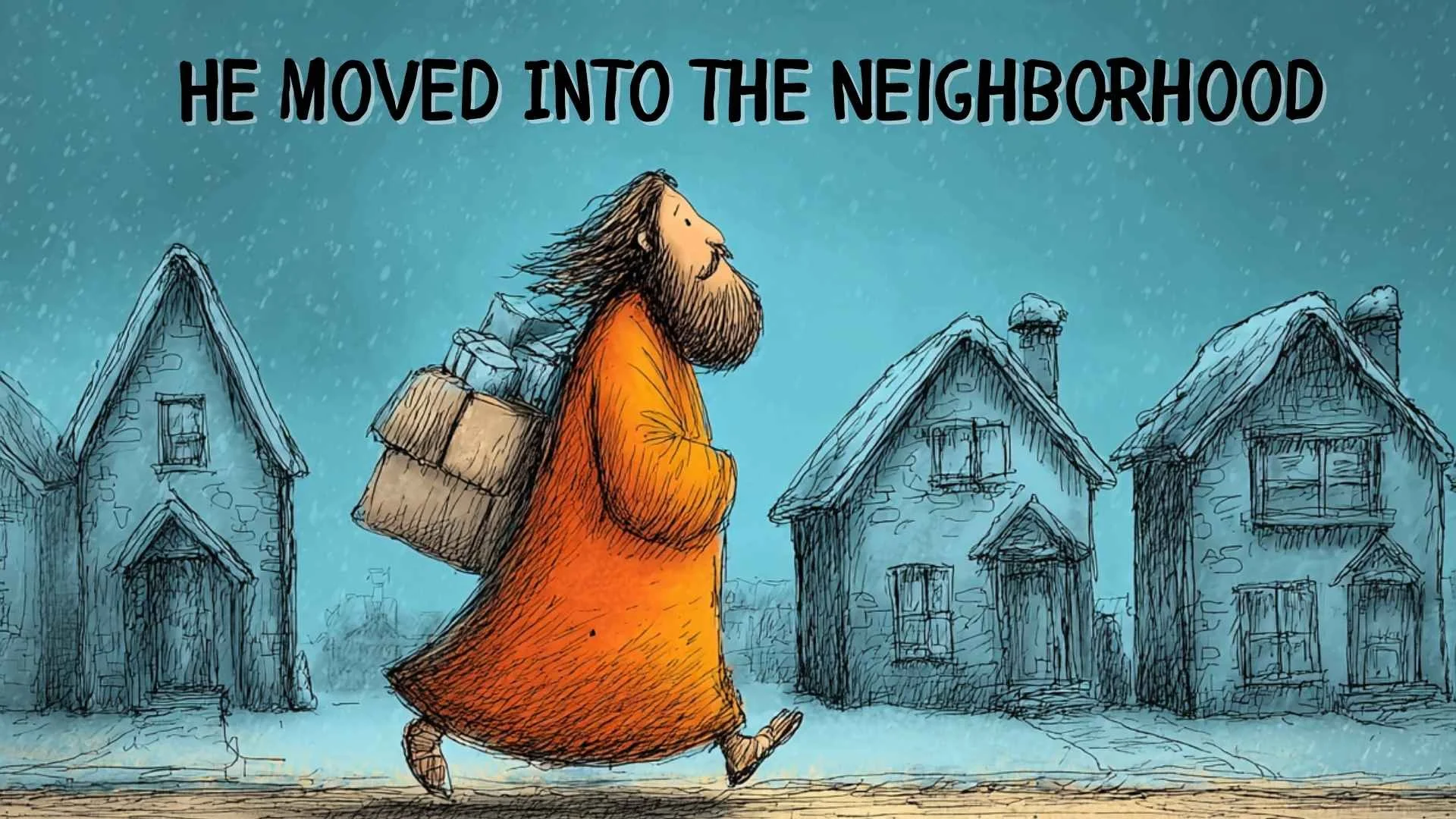
"And the Word became flesh and dwelt among us, and we have seen his glory, glory as of the only Son from the Father, full of grace and truth."
— John 1:14 (ESV)

One verse.
Fourteen words in English. Twenty-six in the original Greek. That is all John needs to tell you what happened on Christmas. No manger. No shepherds. No star. No angels singing over Bethlehem's hills. Just this: the Word became flesh and dwelt among us.
Let it be enough.
The Greek verb John uses for "dwelt" is eskēnōsen—he "tabernacled," he "pitched his tent." It is the same root word used for the tabernacle in the wilderness, that portable tent where God's presence hovered between the cherubim. For centuries, Israel carried that tent through deserts and dangers, and whenever they made camp, God made camp with them.
Now John says: God has done it again. The Word who was with God in the beginning, the Word through whom all things were made, the Word who is life and light—this Word has packed his bags. He has set up his tent. He has moved into the neighborhood.
Consider what John does not say. He does not say the Word became a teacher, though Jesus would teach. He does not say the Word became a healer, though Jesus would heal. He does not say the Word became a king or a prophet or a priest, though Jesus would be all three. John goes further back, further down. The Word became flesh.
Flesh. The stuff that bleeds when cut. The stuff that aches after a long walk. The stuff that gets hungry, gets tired, gets cold in the Judean winter. Flesh that needs sleep. Flesh that feels the grain of wood under a carpenter's calloused hands. Flesh that knows what it is to be held by a mother, to scrape a knee, to weep at a friend's tomb.
This is the scandal of Christmas. Not that God spoke to us—he had been speaking for centuries through prophets and pillars of fire, through burning bushes and still small voices. The scandal is that God came. The eternal Word did not shout instructions from heaven; he entered the womb of a teenage girl in an occupied territory and emerged into a feeding trough, crying for milk like every other infant who has ever drawn breath.
Why? Because a God who only speaks can be ignored. A God who sends messages can be misunderstood. But a God who comes—a God who takes on our flesh and walks our roads and eats our bread and weeps our tears—that God cannot be dismissed as distant or disinterested. He has skin in the game now. Literally.
And then John adds: we have seen his glory. This is the eyewitness testimony of a man who leaned against Jesus' chest at supper, who ran to the empty tomb, who stood on the beach when the risen Christ made breakfast. John saw glory—not in spite of the flesh, but through it.
He saw glory when Jesus turned water to wine at a wedding. Glory when a paralyzed man picked up his mat and walked. Glory when a dead girl sat up and asked for something to eat. Glory when Jesus wept outside Lazarus's tomb, and glory when he called his friend out of it. Glory in every healing touch, every patient explanation, every meal shared with sinners and tax collectors and people the religious establishment had written off.
The glory of God, it turns out, looks like grace and truth having dinner together. It looks like compassion that does not condone and holiness that does not condemn. It looks like a hand reaching down to lift Peter out of the water, to touch the leper, to write in the dirt while the accusers slink away.
Full of grace and truth. Not half and half. Not grace on weekdays and truth on the Sabbath. Full. Overflowing. A cup that cannot hold what keeps being poured into it.
This is what we celebrate today. Not a birthday, though it is one. Not a holiday, though it has become one. We celebrate arrival. We celebrate the moment when heaven and earth overlapped in a single body—when the infinite became infant, when the Author stepped into his own story, when God stopped sending representatives and came himself.
The implications will unfold for the rest of your life. If God became flesh, then flesh is not a prison to escape but a gift to steward. If God tabernacled among us, then he is not allergic to our mess—he pitches his tent in the middle of it. If we have seen his glory, then glory is not just future hope but present reality, available to anyone with eyes to see.
And if he came full of grace and truth, then we who bear his name must carry both. Grace without truth is sentimental; truth without grace is brutal. But grace and truth together—that is the glory of the incarnate Word, and that is what the world is still waiting to see.
One verse. Let it be enough.
It is more than enough. It is everything.
TODAY
At some point today—perhaps before the presents are opened, perhaps after the dishes are washed—find sixty seconds of stillness. Speak John 1:14 aloud, slowly. Let one word land: became. Then ask yourself: What does it mean that God became? Not that God did, or God said, but that God became? Sit with the weight of that verb. Let it reshape how you see everything else this day offers.

An Invitation to go Deeper….
If today’s message spoke to you, join the FaithLabz 30-Day Prayer Challenge and strengthen your connection with God’s unshakable love. You are never alone—let’s grow together!