DEC 28 | The Old Man Who Knew How to Wait
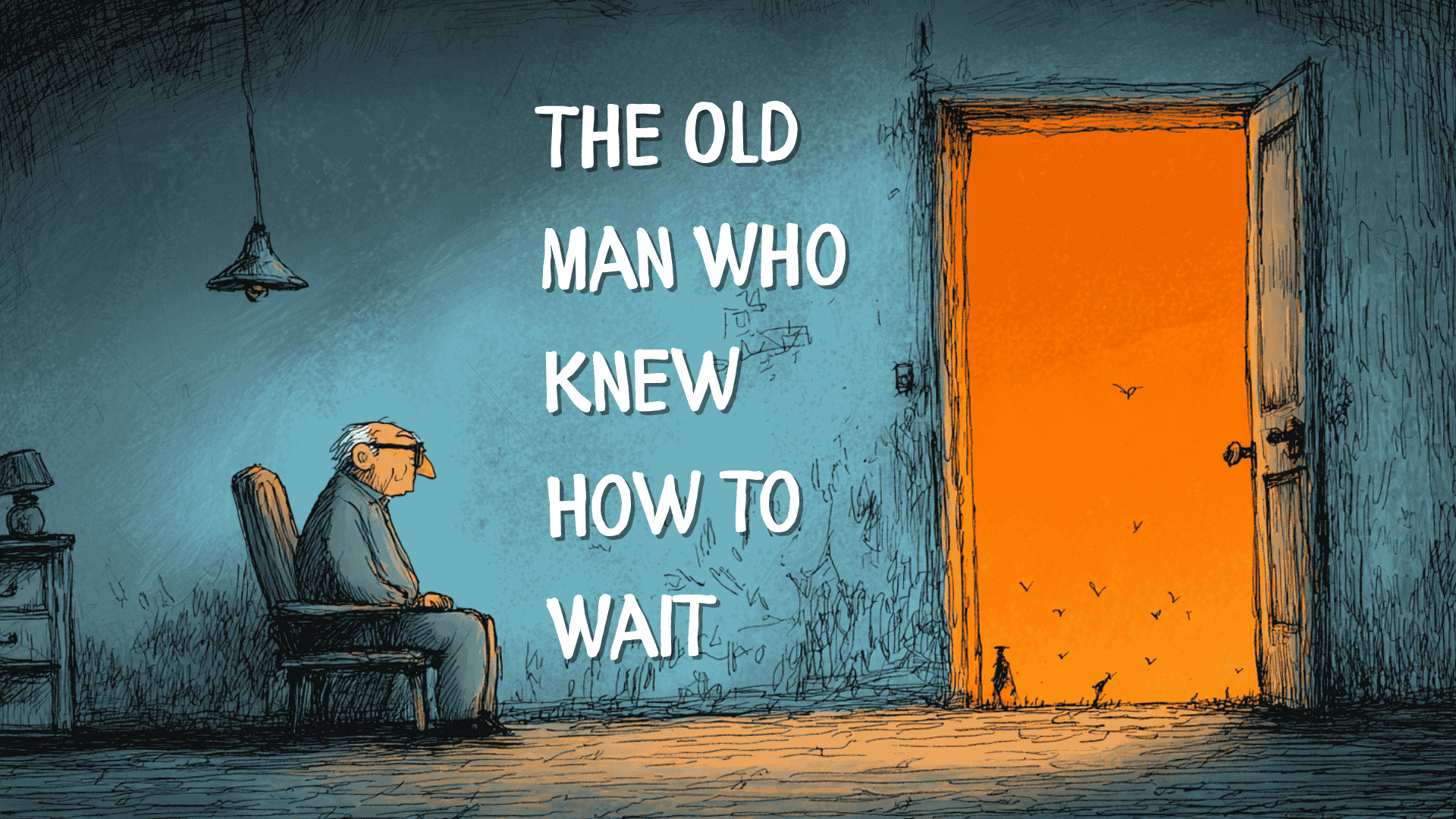
Now there was a man in Jerusalem called Simeon, who was righteous and devout. He was waiting for the consolation of Israel, and the Holy Spirit was on him. It had been revealed to him by the Holy Spirit that he would not die before he had seen the Lord's Messiah. Moved by the Spirit, he went into the temple courts. When the parents brought in the child Jesus to do for him what the custom of the Law required, Simeon took him in his arms and praised God, saying: "Sovereign Lord, as you have promised, you may now dismiss your servant in peace. For my eyes have seen your salvation, which you have prepared in the sight of all nations: a light for revelation to the Gentiles, and the glory of your people Israel."
— Luke 2:25-32 (NIV)
Imagine you could sit with Simeon. Not in the temple—not in that moment of culmination when everything finally made sense—but in the years before. The long years. The decades of waking each morning to a promise that had not yet arrived.
What would you ask him?
You: How long have you been waiting?
Simeon: Longer than I can count anymore. There was a morning—I was younger then, my beard still dark—when the Spirit spoke. Not an audible voice, but a certainty that settled into my bones: I would see him. The Consolation. The one Israel has ached for since the garden gates swung shut.
You: And you believed it? Just like that?
Simeon: (A quiet laugh) Just like that? No. Belief was the easy part—that first morning, I was certain. The hard part came later. The fiftieth morning. The five hundredth. The mornings when I woke and thought: Perhaps I imagined it.
You: How did you keep going?
Simeon: I did not "keep going." That makes it sound like running a race, like there was momentum I had to maintain. There was no momentum. Most days, I simply showed up at the temple. I prayed the prayers. I watched the families come and go with their pigeons and their lambs, their ordinary offerings for ordinary blessings. And I waited.
You: That sounds... exhausting.
Simeon: It was. But here is what I learned: waiting is not passive. Waiting is a posture. You can wait with your fists clenched, demanding that God explain himself. You can wait with your back turned, pretending you no longer care. Or you can wait the way a servant waits for a master who has never once failed to return—alert, expectant, hands open.
You: And when they came in—Mary and Joseph, with the baby—how did you know?
Simeon: (Eyes brightening) That is the strangest thing. They looked like everyone else. A young couple, probably poor—they brought pigeons, not a lamb. The baby was small, unremarkable. If you had lined up a dozen infants that morning, you would not have picked him out.
You: Then how—
Simeon: The Spirit. The same Spirit who had spoken all those years ago moved in me again. Not a new word—an old word, finally fulfilled. My feet were walking toward them before my mind understood why. And when I took him in my arms...
You: Yes?
Simeon: (Voice catching) I knew I was holding the weight of every promise God ever made. This child—this small, squirming, ordinary-looking child—was the reason Abraham left Ur, the reason Moses climbed Sinai, the reason David sang and the prophets wept. Every waiting room in Israel's history emptied into this moment. My arms were full of centuries.
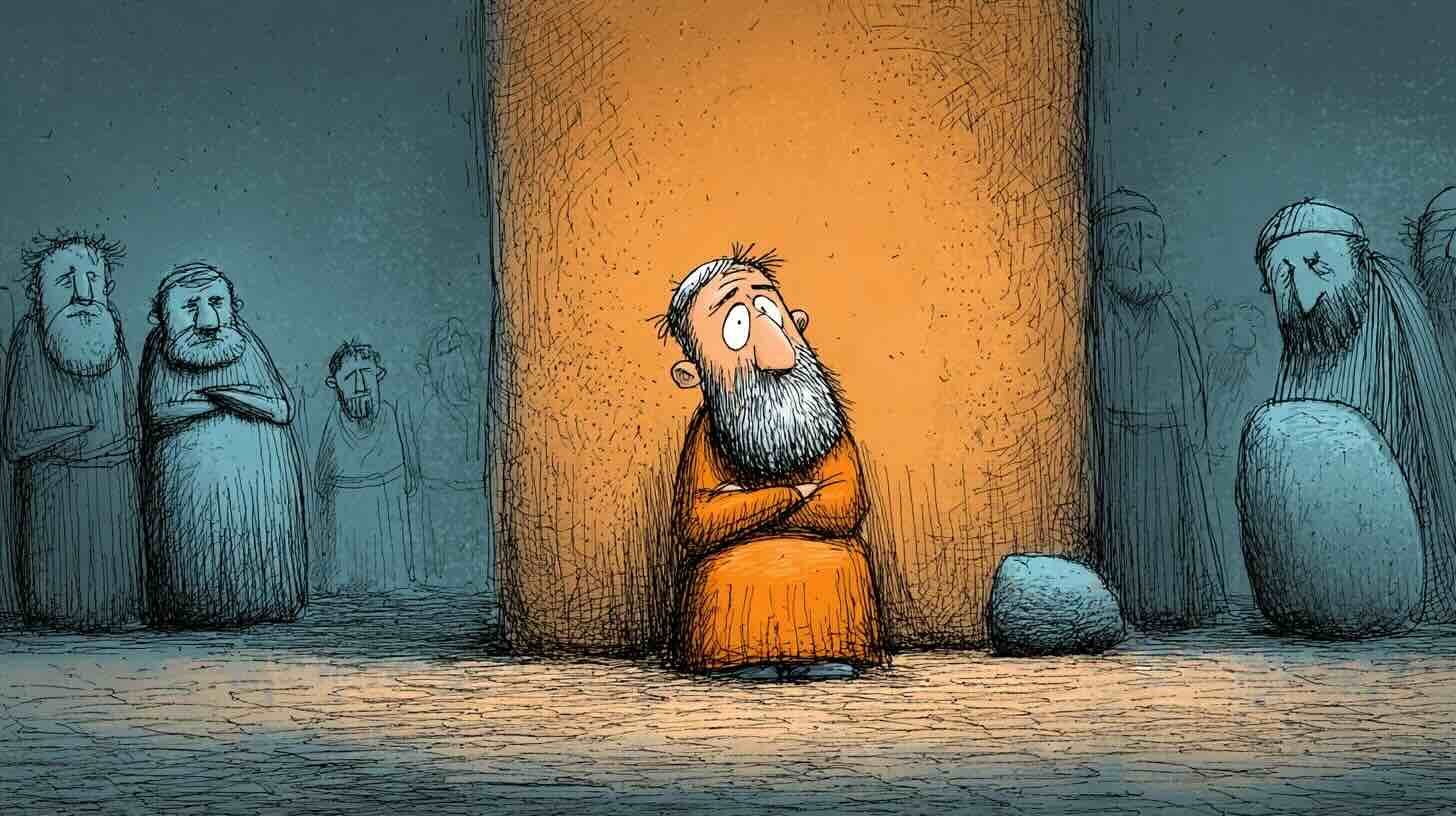
The text says Simeon was "waiting for the consolation of Israel." That phrase—the consolation of Israel—carries freight. It points back to Isaiah 40, where God speaks comfort to a people who had nearly forgotten how to hope. It points forward to a kingdom that would not come with armies but with a baby's cry in a borrowed stable.
And it points sideways, to everyone who has ever waited for God to make good on words spoken in the dark.
You are somewhere in your own waiting. Perhaps you know what you are waiting for—a diagnosis, a reconciliation, a door that refuses to open. Perhaps you have lost track of the original promise and are simply putting one foot in front of the other, hoping that fidelity counts for something.
Simeon's story does not promise that your wait will end today. But it promises something better: the God who spoke to Simeon is the same God who speaks still. The Spirit who moved an old man's feet toward an unremarkable family is the same Spirit available to you this morning.
And the child Simeon held? He grew. He taught. He died. He rose. And now he holds you.
The waiting is real. But so is the One for whom you wait.
Today
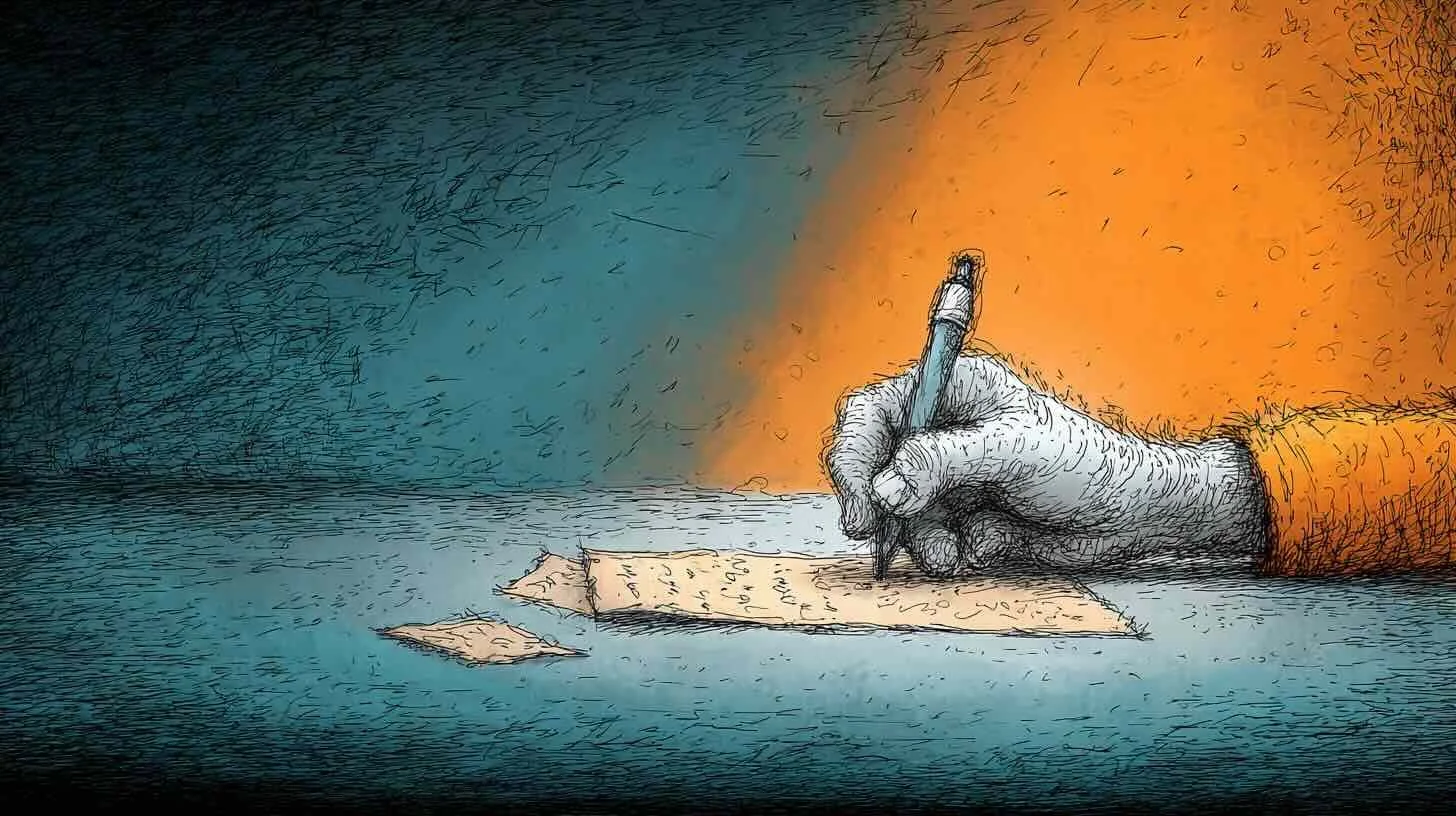
Name one thing you are waiting for—something you have perhaps stopped naming because it hurts too much. Write it on a scrap of paper. Then pray Simeon's prayer over it: "Sovereign Lord, as you have promised..." Leave the rest unfinished. Trust that God knows the ending.
An Invitation to go Deeper….
If today’s message spoke to you, join the FaithLabz 30-Day Prayer Challenge and strengthen your connection with God’s unshakable love. You are never alone—let’s grow together!