Anastasis: What "Resurrection" Actually Means in Greek
John 11:25 · Word Study
He Stood Up: The Simplest, Most Defiant Act in History
Unpacking the profound truth of 'anastasis' and its radical implications for faith.
I have heard the word "resurrection" my entire life.
I said it in creeds. I sang it in hymns. I nodded when pastors said it was the foundation of everything.
And for years I had a vague, slightly uncomfortable mental image: Jesus sort of floating upward from inside a dark tomb, dissolving into light, becoming something less physical and more spiritual than He was before.
That image is wrong. Not metaphorically wrong. Linguistically, theologically, historically wrong.
Because the Greek word for resurrection is anastasis. And anastasis doesn't mean "floating upward." It doesn't mean "dissolving into glory." It means a standing up again.
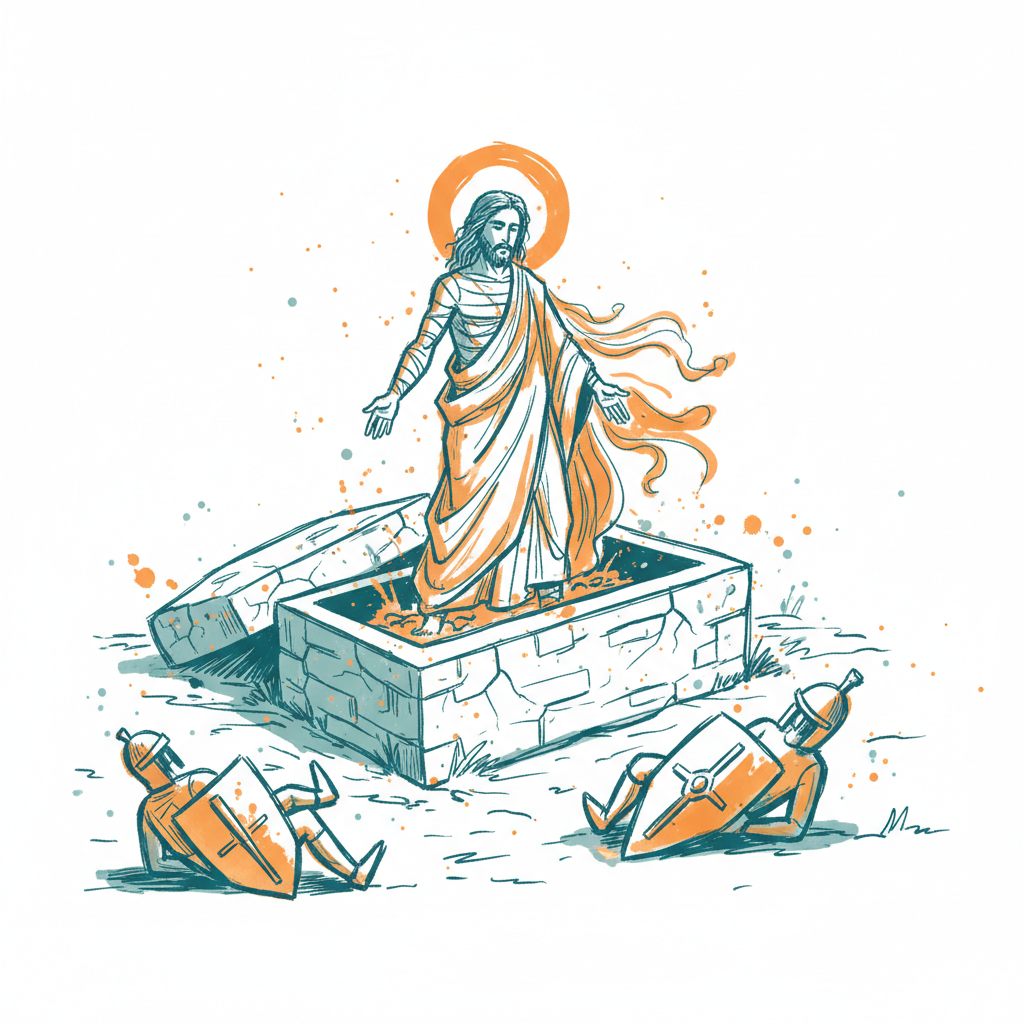
A standing up again
ἀνάστασις
anastasis · G450
This Greek word combines 'ana' (up, again) and 'stasis' (standing, position) to literally mean 'a standing up again.' It emphasizes a physical, upright posture.
What the Word Actually Says
Ana. Up. Again. Back.
Stasis. Standing. Position. Upright state.
Put them together and you get a word that is almost embarrassingly simple. A standing up again.
The dead lie down. We all know this. Burial means horizontal. The grave is where things that were standing go to lay flat forever. From dust you came, to dust you shall return, and the posture of death is always the same.
Anastasis says: no.
Not "you will float away." Not "your soul will escape your body." Not "you will become energy released back into the universe." Those ideas come from Greek philosophy, from Eastern mysticism, from a lot of places. They do not come from anastasis.
Anastasis says the body that was laid down stands back up.
Anastasis says the body that was laid down stands back up.
Martha Knew the Word. She Didn't Know the Person.
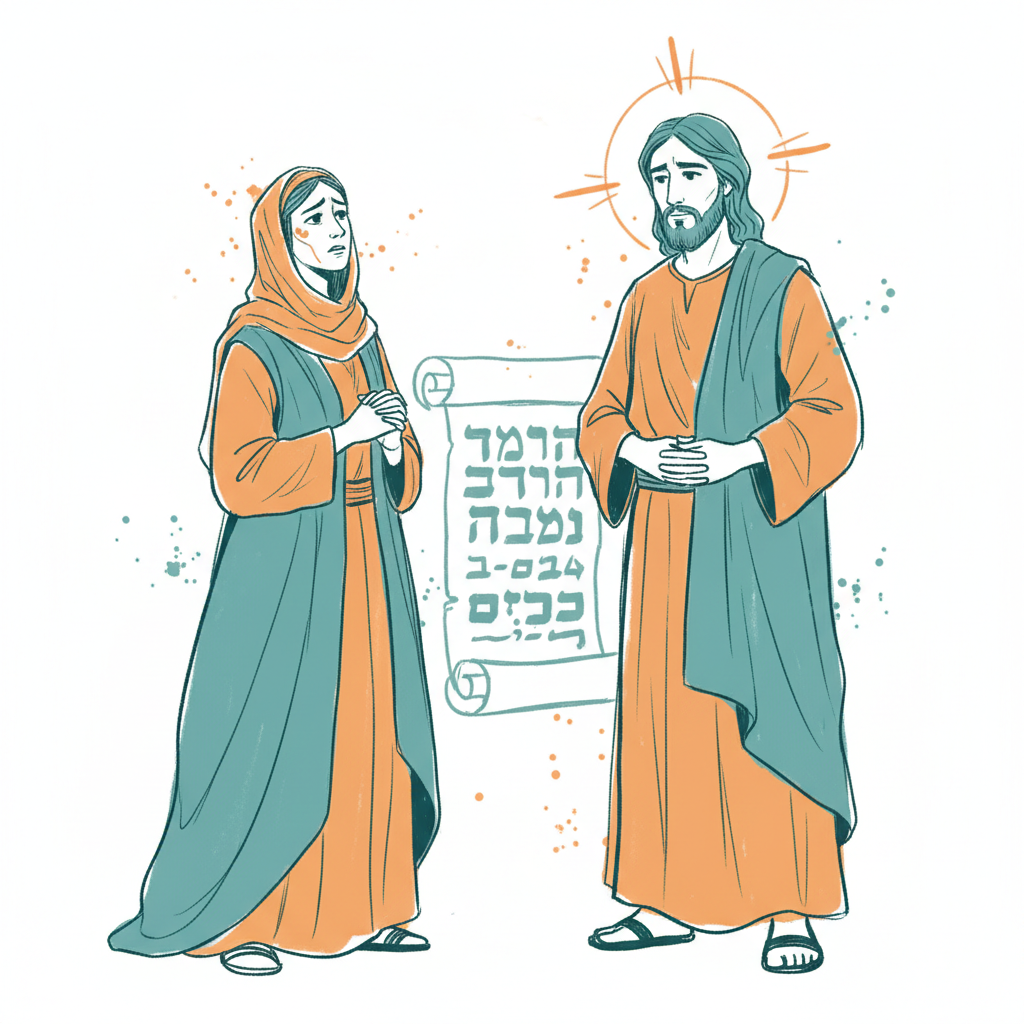
In John 11, before Jesus raises Lazarus, there's an exchange that quietly breaks your heart.
Martha is grieving. Her brother has been dead four days. Jesus shows up late. And He tells her: "Your brother will rise again."
Martha nods. "I know that he will rise again in the anastasis on the last day."
She believed in resurrection. She had the right doctrine. She was pointing to a future date on a cosmic calendar and saying: yes, I know, someday, eventually.
Jesus heard that and said something that should have stopped her cold.
"I am the resurrection and the life."
Not: I will perform the resurrection.
Not: I have the power to do resurrection.
Not: Trust me, the resurrection is coming.
I AM the anastasis.
He wasn't pointing to a future event. He was claiming to be the event itself.
I AM the anastasis.
Standing in front of her, breathing, the anastasis had arrived in person. And she almost missed it because she was looking at a calendar.
The Morning Nobody Was Ready For
Here is what we know about that Sunday morning.
The women came to the tomb to finish burial preparations. Spices in hand. Expecting to care for a corpse. Grief makes you practical. You show up because there is still a body that needs attending.
They were not expecting an empty tomb. They were not hoping for resurrection. They were not dreaming of anastasis. They were doing what you do when someone you love is gone. You finish the work.
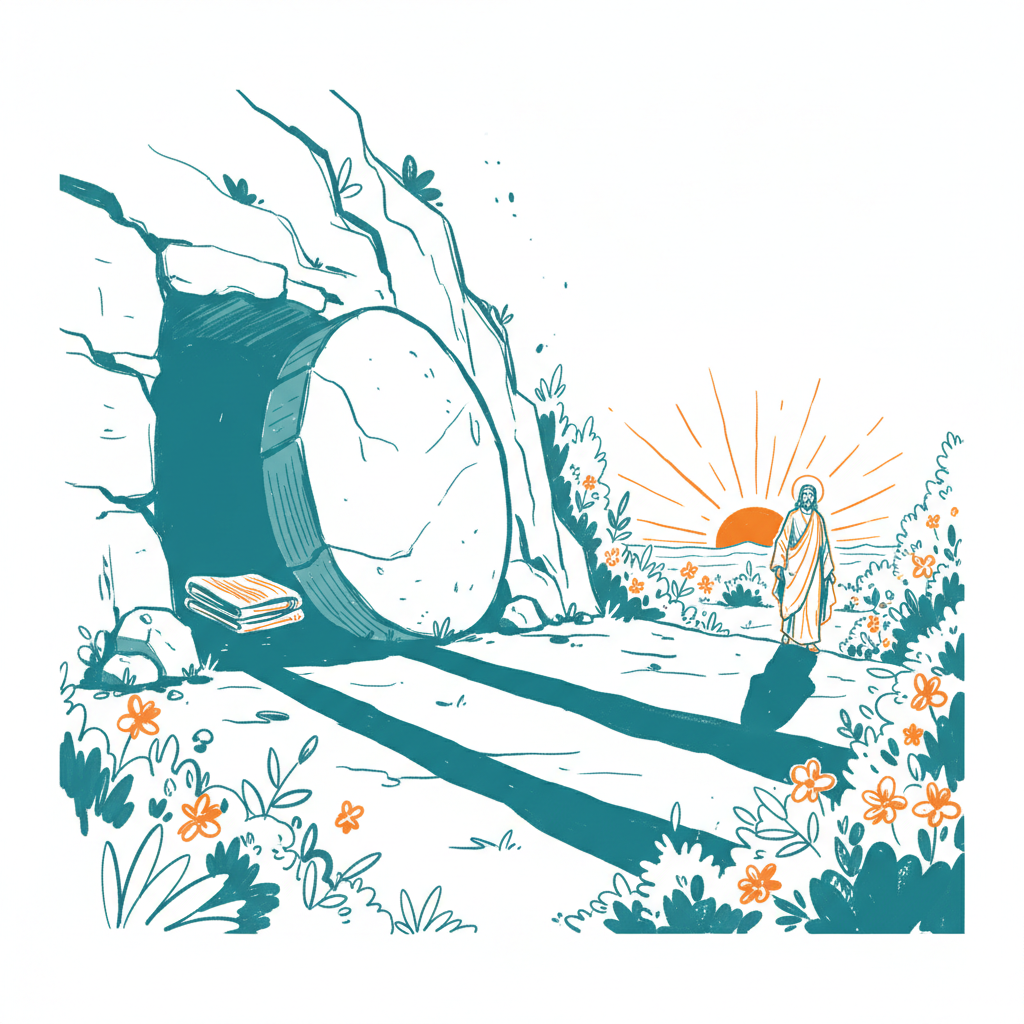
The stone was moved. The linens were there. He was not.
And then an angel said the sentence that has echoed across two thousand years of history:
"He is not here. He has risen."
He stood up.
From inside a sealed tomb. In a garden outside Jerusalem. Before anyone arrived to witness it.
He stood up. From inside a sealed tomb. In a garden outside Jerusalem.
What Paul Did With It
About twenty years after that morning, Paul wrote a letter to the church in Corinth and made a list.
He appeared to Peter. Then to the twelve. Then to more than five hundred brothers and sisters at one time -- and Paul added, almost in passing, that most of them were still alive. Still available for questioning. Still able to tell you what they saw.
Then to James. Then to all the apostles. Then to Paul himself.
This is not the logic of mythology. Mythology doesn't say "go ask the eyewitnesses while they're still breathing." Mythology invites belief precisely because you can't verify it. Paul did the opposite. He named names. He cited numbers. He said: go check.
And then he said this: if Christ has not been raised, your faith is worthless.
No hedging. No "well, it's metaphorically true." No "resurrection means spring is coming." He staked everything on whether a body stood up from inside a rock in a garden two thousand years ago.
Why Standing Matters
I want to come back to the posture thing. Because I think it matters more than it first appears.
Standing is the posture of the living. Standing is how you face someone. Standing is how you receive a guest. Standing is how soldiers acknowledge a commanding officer. Standing is how you begin a journey.
In Jewish culture, when the Divine presence entered the room, you stood. Not out of formality. Out of recognition that something was happening that you could not remain horizontal for.
Anastasis is not passive. The word does not mean "was raised" in a passive, handled-from-outside kind of way -- though that language exists elsewhere in the New Testament. As a standalone noun, anastasis carries the image of standing. Of being upright. Of being on your feet.
He stood up.
Not because someone helped Him off the ground. Not because the stone was rolled away first and then He got up. The stone was rolled away so the women could see what had already happened. He was already standing. Already up. Already out.
The grave could not hold Him horizontal.
This Changes Something About Right Now
Martha was looking at a far-off calendar date.
The disciples were hiding in a locked room, afraid.
The women came to do burial work.
None of them expected anastasis to happen on a Sunday morning. To be honest, none of us expect it most Sundays either. We say the word. We sing the songs. We eat the ham and take the photos.
But here is what Paul said about people who are in Christ: he used past tense for their resurrection. Not future tense. Not "you will be raised someday." He said you HAVE BEEN raised with Him. Colossians 3. Present reality, not future hope only.
The power that stood Jesus up is the same power at work in you right now. Today. Not when you die. Right now.
This is why Easter is not a commemoration. It is not a memorial service for something lovely that happened long ago. It is the announcement of an ongoing reality. The tomb is empty. That means something for this Tuesday morning when the alarm goes off and the problems are still problems and the grief is still grief.
The resurrection doesn't make problems disappear. It puts them in a different context.
Nothing in your life is final that has been surrendered to the God who stands up from inside tombs.
He stood up.
Two words. Two thousand years later, we are still rearranging our lives around them.
ἀνάστασις
anastasis
Walk out.